
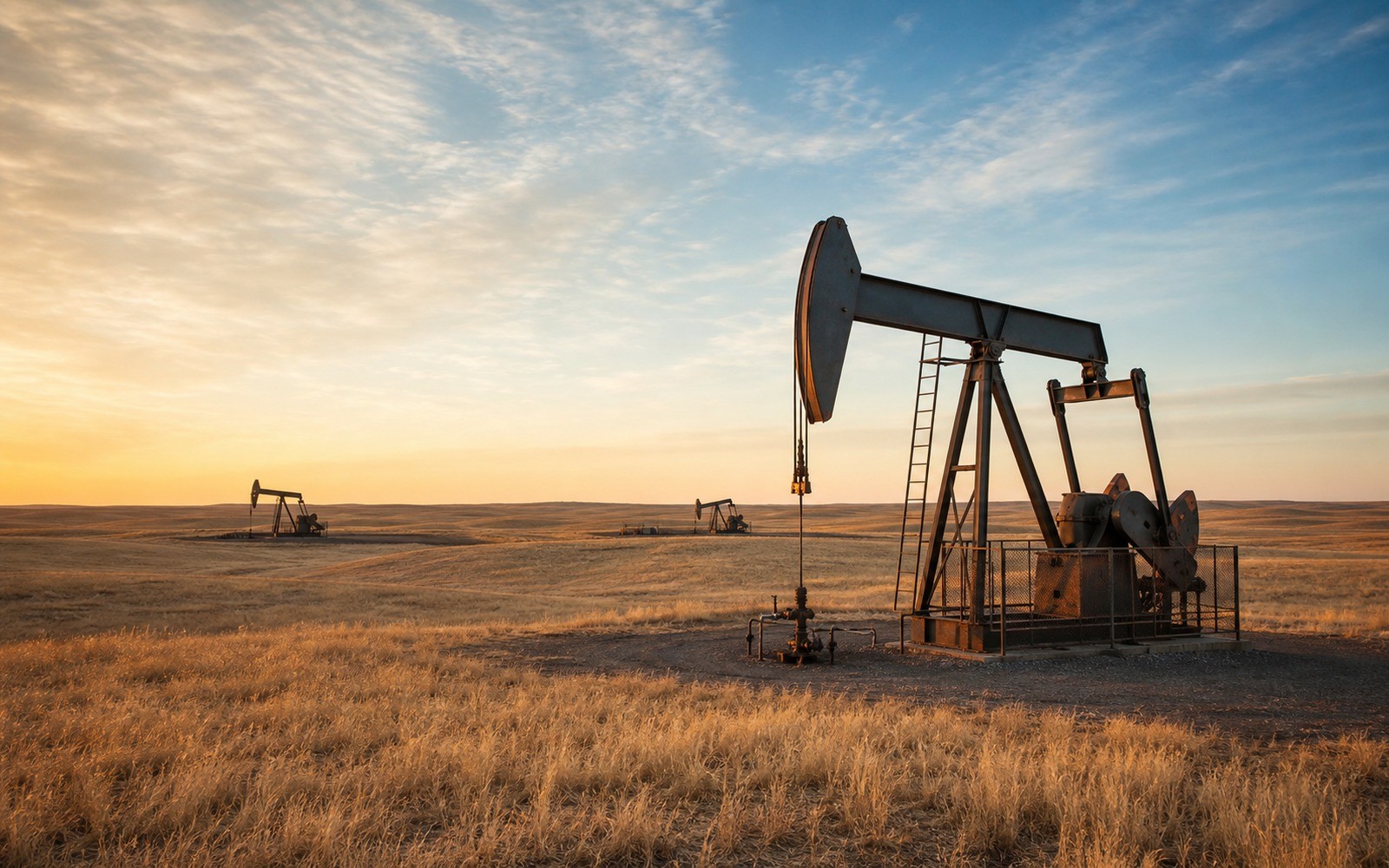
Sell Mineral Rights in Worden, MT
Worden's history is about water, not oil, and that's the honest starting point for anyone asking what their minerals here are worth.
Worden sits along the Yellowstone River in the stretch of Yellowstone County settled through the old Huntley Project, one of the Bureau of Reclamation's early 1900s irrigation efforts that turned this bottomland into sugar beet and hay ground. It's productive farm country, but it was never a drilling destination, and it still isn't.
We get calls from folks around Worden and neighboring Ballantine and Huntley who assume that because the county seat in Billings has refineries, there must be something worth drilling under their own quarter section too. Usually there isn't, and we'd rather tell you that upfront than let a slick offer letter convince you otherwise.
Irrigated Ground Over Quiet Minerals
When the Huntley Project brought canals through this area, the attention went to water rights, not mineral rights, and that priority has basically held for over a century. Most Worden-area landowners never had reason to think much about what was reserved or conveyed underground when the land changed hands generation to generation.
That's part of why so many current owners around Worden don't actually know their own mineral status. A deed passed down through a farm sale or an estate settlement rarely spelled out mineral reservations clearly, so the honest first step is confirming what you have before worrying about what it's worth.
What's Realistically Down There
Yellowstone County has a handful of small, older conventional pools scattered around its edges, but nothing of consequence sits directly under Worden itself. If you're holding a mineral interest here, the honest expectation is low current activity rather than an active unit waiting to be drilled.
That doesn't mean the interest is worthless, it means it should be priced like what it is: an undeveloped position in a quiet corner of the county rather than a working royalty.
Why a Buyer Would Still Want It
Interests like this get bought for the long view, not a quick payout, on the chance that basin-wide interest or a nearby permit eventually changes the picture. If someone approaches you with an offer, ask what specifically they're basing it on, since there's rarely a producing well nearby to point to.
A buyer working this kind of ground is usually assembling a larger position across several Yellowstone County tracts rather than chasing your parcel alone, and that context is worth asking about directly.
MONTANA RECORD CHECK
Resolve the Record Question Before the Deed Is Written
Each answer points back to a county instrument, legal description, paid line, spacing record, production record, or written term that can be checked.
Is there active drilling near Worden?
No, not currently. Worden sits in irrigated farm country within Yellowstone County, and there's no producing activity directly beneath the town or its immediate surroundings.
Why would anyone buy minerals here if there's no drilling?
Some buyers hold undeveloped interests on a long timeline, betting that future basin-wide activity or a nearby permit could eventually change the picture. It's speculative, not a near-term payout.
How do you know if you even have mineral rights under your Worden land?
Check your deed and the original patent chain through the Yellowstone County Clerk and Recorder's office. Irrigation-era conveyances didn't always handle mineral reservations the same way dryland homestead patents did, so it's worth confirming rather than assuming.
Is a Worden-area mineral interest worth anything to sell?
It can be, but expect a modest, speculative valuation rather than a producing-royalty price, since there's no active well backing it. A buyer here is paying for long-term potential, not current cash flow.
ADJOINING RECORD CARDS
Carry the Same Tract Into the Next Review
Keep the legal description, ownership fraction, paid decimal, and open record question from this tract in view while reading these adjoining records.