
Sell Mineral Rights in Wibaux County, MT
Wibaux County sits on the edge of two different stories, not the middle of one, and that changes what your minerals are actually worth.
Wibaux County is about as far east as Montana gets, the county seat of the same name sitting a few miles off the North Dakota line along I-94. Ask most landmen about Montana's oil counties and they'll point you to Richland or Sheridan County, further south along the Williston Basin's better rock. Wibaux gets mentioned almost as an afterthought, and that's honestly closer to the truth than the marketing some buyers will feed you.
We spent a career running production on the North Dakota side of this line, and crossing into Wibaux County always felt like stepping off the edge of the map. The Bakken and Three Forks are still down there, but they thin and get less economic the further west you go. What's actually kept this county producing for decades is older, shallower, and less talked about: the Cedar Creek Anticline.
The Cedar Creek Anticline, Not the Bakken Fairway
The Cedar Creek Anticline is a long structural fold running northwest to southeast through Fallon, Wibaux, and Dawson counties before it dips into North Dakota. Fields like Pennel and Cabin Creek were found on it back in the 1950s and 1960s, producing out of the Charles Formation and Red River dolomite rather than the Bakken shale you hear about further east. Those wells decline slow and produce small, and a lot of them are still on the pump today, just at a fraction of their original rates.
If someone's offering to buy your Wibaux County minerals on the strength of a Bakken horizontal two counties over, ask them which formation their comparable actually came out of. A Cedar Creek Anticline royalty check and a Three Forks horizontal royalty check are built on completely different decline curves, and pricing one off the other is how sellers get shorted.
Split Estate from the Homestead Years
This county filled in with dryland wheat and cattle operations under the Enlarged Homestead Act in the 1910s, and a lot of those original patents either reserved minerals to the homesteader or, in the case of Stock-Raising Homestead Act parcels after 1916, reserved them to the federal government instead. A century later, the surface owner running cattle on a Wibaux County section and the family holding the mineral certificate underneath it are often not the same people, and sometimes one of those tracts is federal minerals under a BLM lease rather than fee minerals under a private lease.
Figuring out which situation you're in matters more than any number a buyer quotes you up front. Fee minerals and federal minerals get valued, leased, and transferred through different processes entirely.
What the Royalty Check Actually Tells You
If you're getting a statement off a Cedar Creek Anticline well, expect a decline curve that's already flattened out, older wells that produce modestly and steadily rather than the sharp first-year drop-off you'd see from a new horizontal further east. That steadiness is worth something to a buyer even without headline volumes, since it's a more predictable cash flow than a young Bakken well still working through its decline.
Any value talk should be tied to what's actually on your division order and JIB statement, deducts and all, not to a per-acre figure someone read off a Richland County deal. Your gross production tax rate, your net revenue interest, and the well's current decline stage are what a real offer gets built from.
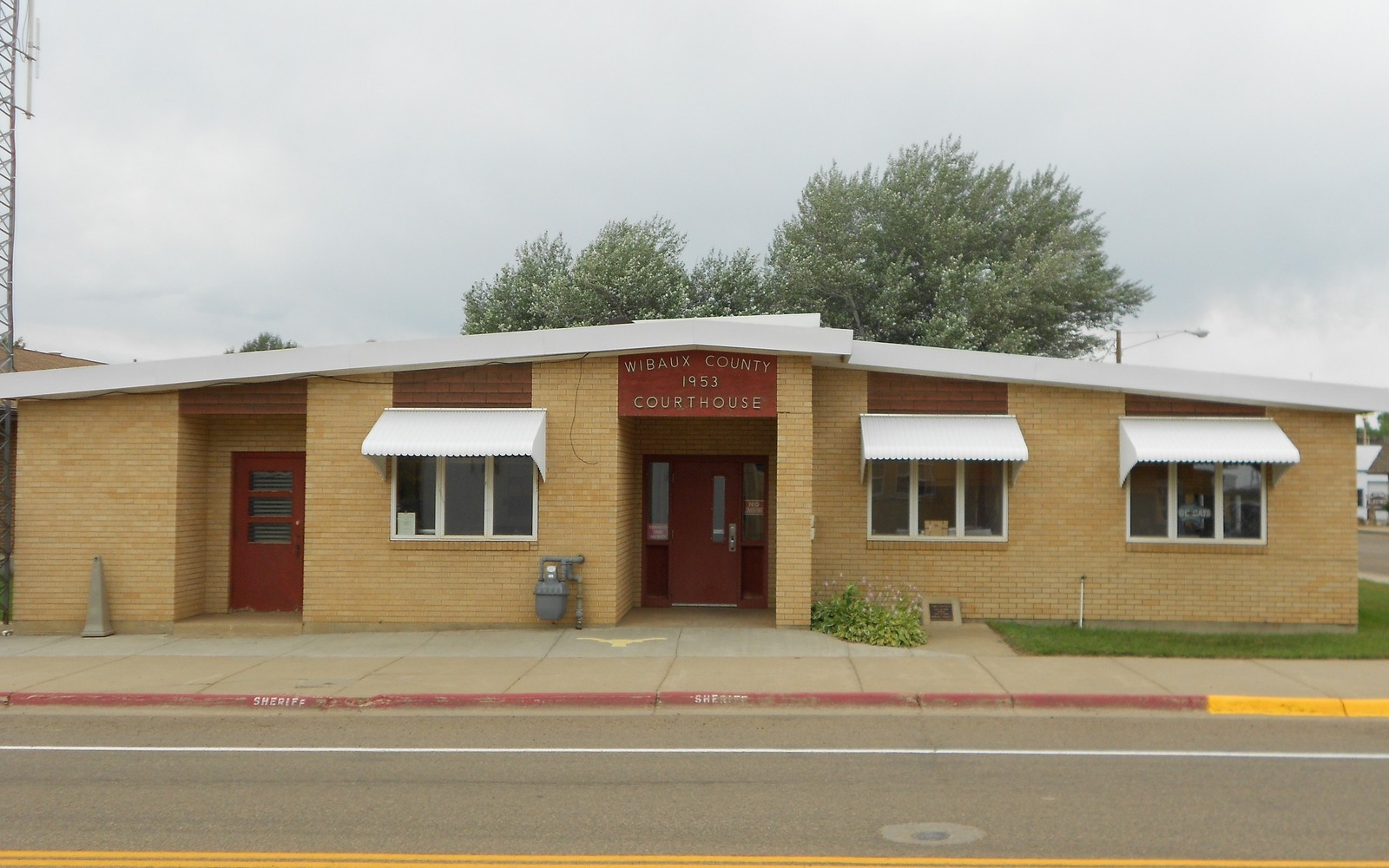
Running Title from the Wibaux County Courthouse
The Wibaux County Clerk and Recorder's office holds the deed and patent chain for most of these parcels, and because the county's small, that office doesn't have the staff or the digitized backlog that a bigger county does. Title work here often means tracing a chain back to the original homestead patent by hand, which takes longer than folks expect when they're first trying to sell.
If your family's mineral interest has been sitting untouched since a grandparent or great-uncle passed, budget real time for a title company or landman to run that chain before any closing happens. It's not unusual for a Wibaux County parcel to need probate cleanup two or three generations back before a deed can transfer cleanly.
MONTANA RECORD CHECK
Resolve the Record Question Before the Deed Is Written
Each answer points back to a county instrument, legal description, paid line, spacing record, production record, or written term that can be checked.
Do you own your minerals if you own the surface in Wibaux County?
Not necessarily. Between Enlarged Homestead and Stock-Raising Homestead patents, a lot of surface and mineral estates split apart a century ago. Some of the county is federal (BLM-administered) minerals rather than fee minerals, so check your deed and patent history before assuming.
What's a Cedar Creek Anticline royalty check usually worth compared to Bakken counties?
It depends heavily on the specific well's decline stage and your net revenue interest, but Cedar Creek Anticline wells are generally older and lower-volume than newer Bakken horizontals further east. Value should track your actual statement, not a per-acre number from a different play.
How do you find your mineral deed if your family left Wibaux County decades ago?
Start with the Wibaux County Clerk and Recorder's office for the deed and patent chain. If there's been a death in the ownership line without a probate filed, expect that to add time before any sale or lease can close cleanly.
Should you sell now or hold on the Bakken's western edge?
That depends on your own cash needs, the well's decline stage, and how many heirs are involved in the interest, not on a blanket rule for the county. Ask for the specifics behind any offer rather than a flat yes or no.
How do you know if your Wibaux County parcel is federal or fee minerals?
Your patent history will show it. If the original homestead patent falls after the 1916 Stock-Raising Homestead Act and reserved minerals to the United States, that tract is federal minerals under BLM administration, leased differently than fee minerals a title company can transfer directly.
ADJOINING RECORD CARDS
Carry the Same Tract Into the Next Review
Keep the legal description, ownership fraction, paid decimal, and open record question from this tract in view while reading these adjoining records.