
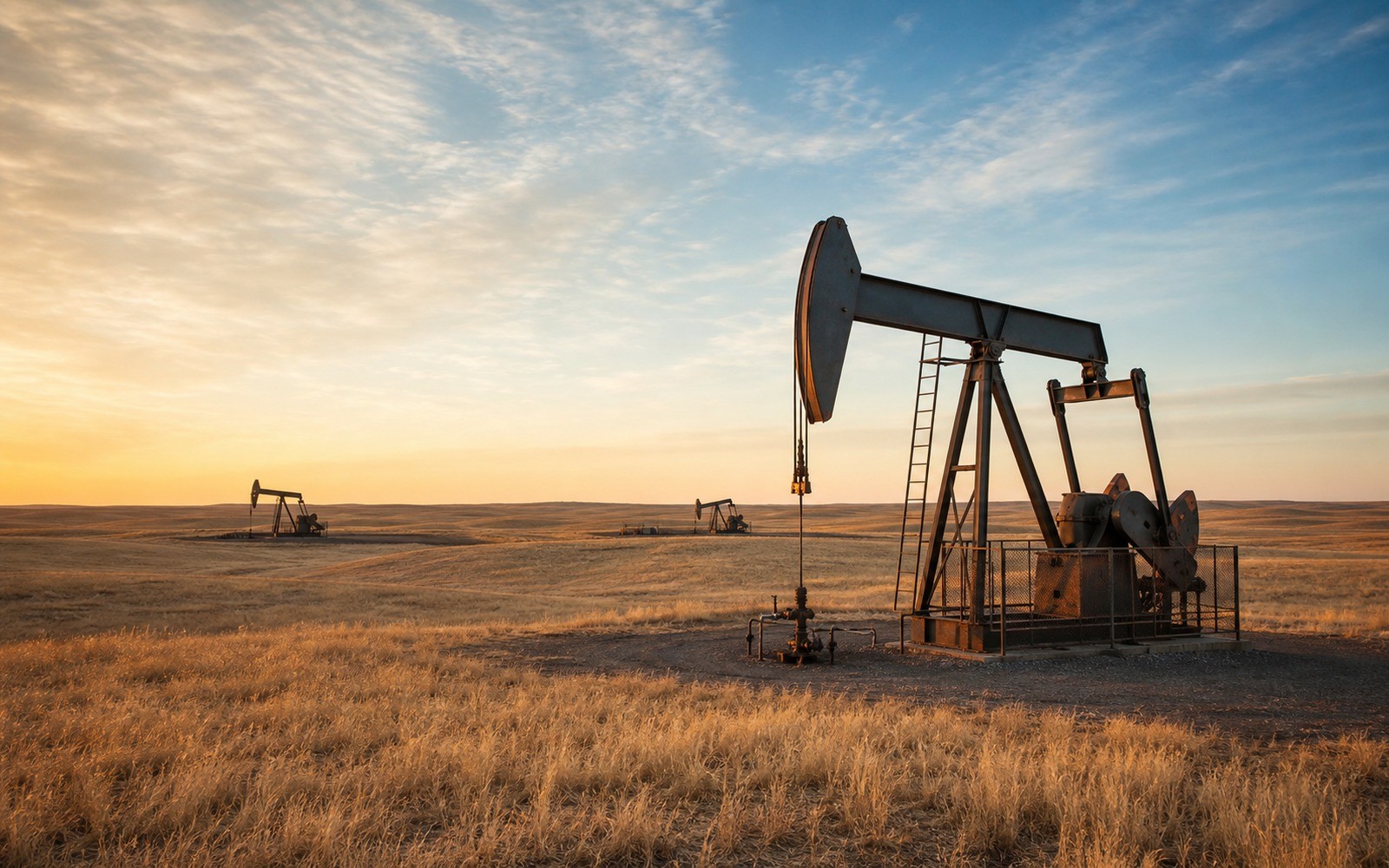
Sell Mineral Rights in Fallon County, MT
Fallon County was producing oil before most people had heard the word Bakken, and that older-field history changes how we'd evaluate a mineral offer here compared to the newer shale counties.
Baker is the county seat, and it's also where Montana's oil business more or less started. The Cedar Creek Anticline runs the length of Fallon County, and the discovery well near Baker in 1919 was one of the first commercial oil strikes in the state, decades before anyone was talking about the Bakken formation as a target. That history matters practically, not only as trivia, because it means a lot of the county's mineral title has been through multiple rounds of leasing, drilling, and re-leasing over a century, and the paper trail can be more layered than a tract that's only seen one round of Bakken-era development.
We split our thinking on Fallon County minerals into two buckets. There's Cedar Creek Anticline production, which taps shallower conventional zones like the Red River and Charles formations along that structural high, and there's the newer Bakken and Three Forks interest that came in with the 2000s shale boom and extends into the county from the more active core in Richland and McKenzie Counties to the east. Knowing which bucket your tract falls in changes what a reasonable offer looks like.
The Cedar Creek Anticline: Old Production, Steady Decline
This anticline has been producing for a century in places, which means wells here are typically far along their decline curve, with royalty checks that are smaller and steadier than a newly drilled Bakken well but also more predictable in the near term. If your family's interest has been generating a modest, consistent check for decades off an old Cedar Creek well, that's a different asset than a fresh Bakken unit, and we value it differently, usually weighting the remaining reserve life and current decline rate over any hope of a big new completion nearby.
A lot of the mineral ownership tied to this trend traces back to early homestead-era severances, sometimes with multiple small fractional owners after generations of inheritance. Confirming your actual net revenue interest against the recorded division order is the first real step, because the percentage on an old lease document doesn't always match what's currently being paid.
Where the Bakken Edge Reaches Into Fallon County
The core of Montana's Bakken activity sits to the north in Richland and Roosevelt Counties, but Fallon County catches some of that play's western and southern extension, generally thinner pay and more marginal economics than the Elm Coulee area. If your tract has newer Bakken or Three Forks leasing activity on it, alongside or instead of Cedar Creek Anticline production, that's worth flagging specifically, since it changes both the value conversation and which buyers are interested.
We're candid with Fallon County owners that this is flank territory for the shale play, not core. Operators here are more selective about where they drill, and a lot of leased acreage in the county sits held-by-production off older wells rather than seeing fresh horizontal completions. That's not a knock on the county, it's just an honest read on where it sits relative to the play's best rock.
Building an Honest Offer
For Cedar Creek Anticline interests, we weigh decline curve, remaining reserve life, and how consistent the operator has been on payment. For Bakken-edge interests, we weigh recent permitting activity, whether nearby units have actually been drilled or just leased, and how your acreage compares to the better-performing parts of the play farther north. Either way, we start with your title and your actual division order, not a guess.
Anyone offering you a flat number for Fallon County minerals without asking which trend your tract sits under, Cedar Creek or Bakken edge, hasn't done the homework. We'd rather walk through both possibilities with you honestly than give a round figure that doesn't hold up once someone actually checks the well records.
MONTANA RECORD CHECK
Resolve the Record Question Before the Deed Is Written
Each answer points back to a county instrument, legal description, paid line, spacing record, production record, or written term that can be checked.
What is the Cedar Creek Anticline and why does it matter for your minerals?
It's a long structural trend running through Fallon County that's produced conventional oil since 1919, one of the oldest fields in Montana. If your interest sits along this trend, you're likely looking at a mature, slow-decline asset rather than newly drilled Bakken production, which changes how it should be valued.
Is Fallon County part of the core Bakken play?
No, it's on the flank. The core is farther north in Richland and Roosevelt Counties. Fallon County catches the play's thinner southern and western edge, so Bakken economics here tend to be more marginal than the core area.
How do you find out which trend your Fallon County tract sits under?
Start with a title search at the Fallon County Clerk and Recorder in Baker to pull your lease and division order history. That record will show whether your interest has been developed under older Cedar Creek Anticline wells, newer Bakken units, or both.
Why would an old, low-producing well still be worth something?
A mature well with a predictable, if modest, decline curve still generates real royalty income, and that income stream has value even without new drilling. We weigh remaining reserve life and payment consistency rather than assuming an old well means a worthless interest.
ADJOINING RECORD CARDS
Carry the Same Tract Into the Next Review
Keep the legal description, ownership fraction, paid decimal, and open record question from this tract in view while reading these adjoining records.