
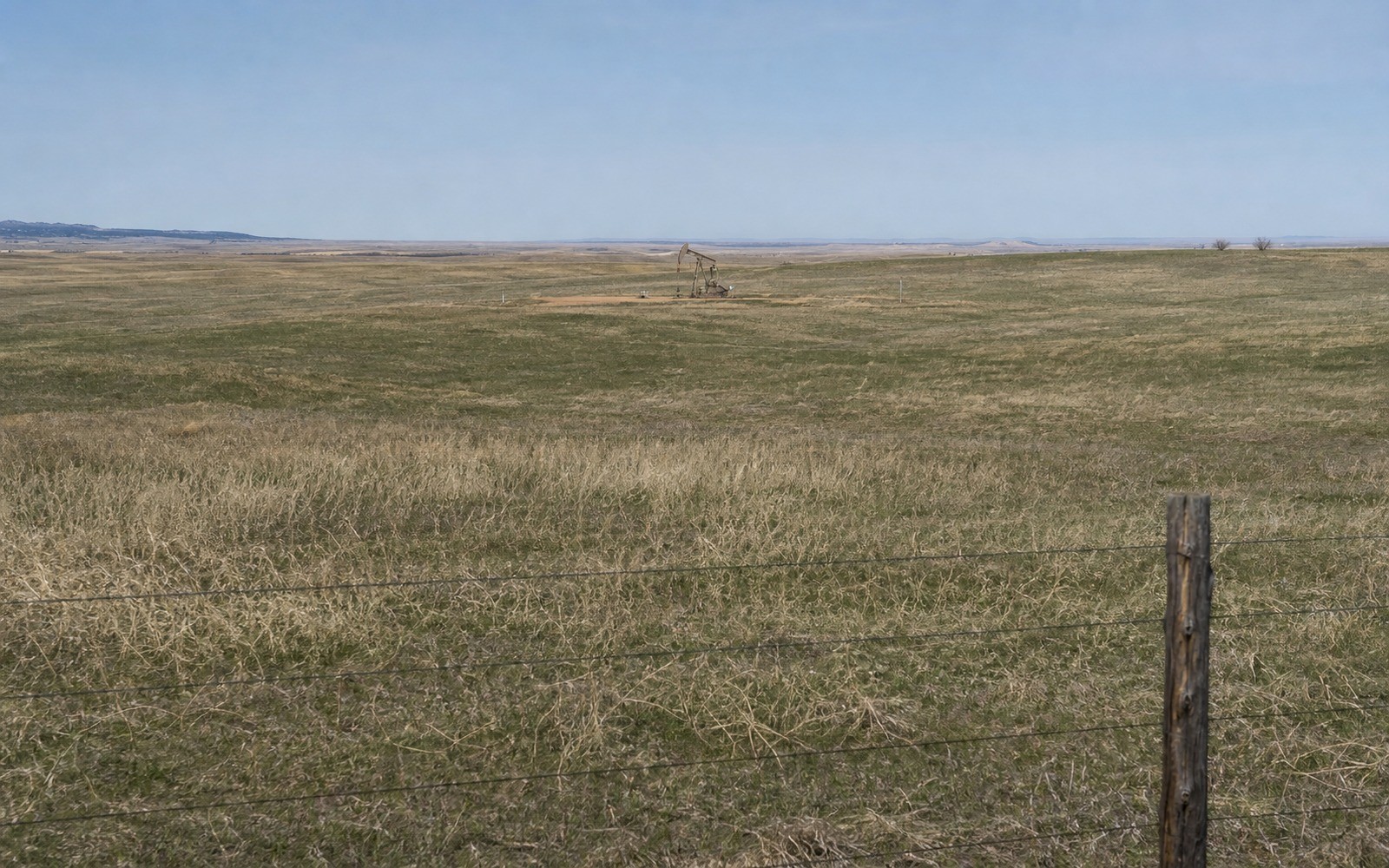
Bakken Mineral Rights
The Bakken didn't stop at the state line, but the map most buyers quote from does.
We spent years on the operations side watching where rigs went and, just as often, where they didn't. When people hear Bakken they picture the Williston core in North Dakota, Mountrail, McKenzie, the counties where a single well can carry ten figures of reserves. Montana's piece of the play is real, but it's a different animal. Elm Coulee, in Richland and Sheridan County, was actually one of the original Bakken discoveries back in the early 2000s, before the horizontal completions in North Dakota made the play famous. That history matters less to buyers today than current well economics do.
If you hold minerals under acreage in Richland, Roosevelt, Sheridan, or Dawson County, you're on the western flank of the Williston Basin. That means shallower Bakken and Three Forks intervals, generally thinner pay, and operators who allocate capital here only when it competes favorably against the core. None of that makes your interest worthless, Elm Coulee has produced for two decades, but it changes how a buyer prices it and how patient you should be about timing a sale.
Elm Coulee and the western Williston flank
Elm Coulee field sits mostly in Richland County, spilling into Sheridan and Roosevelt. It was drilled on the middle Bakken bench using horizontal wells before the technique spread east, and a lot of those original wellbores are now decades into their decline curve. What that means for a mineral owner: this is largely a mature, producing area rather than a frontier one. Royalty checks from Elm Coulee wells tend to be steady and modest rather than the volatile early-life numbers you see on a fresh North Dakota completion, which actually makes valuing the interest more predictable, not less.
The Three Forks bench, stacked below the middle Bakken, gets tested here too, though less densely than in McKenzie or Williams County. If your division order references both Bakken and Three Forks completions on the same or adjacent sections, that's a sign of a multi-bench operator plan, and it's worth noting when you talk to a buyer, since it can support a firmer number even on flank acreage.
Why edge-of-play pricing differs from a straight discount
Buyers who work this basin daily quote core Bakken acreage against thick pay, high initial production, and a deep multi-year drilling inventory. Montana flank acreage gets quoted against thinner intervals and a shorter visible inventory, but also against lower well costs and, often, less competition for the same tract of minerals. Depending on which section you're in and whether it's held by production from an active well, offers can vary widely, and anyone quoting a flat statewide number without asking your section and township hasn't looked at your actual position.
We'd rather tell a Richland County owner the truth than a rosy number. If your minerals sit under a producing Elm Coulee well with fifteen-plus years of history, you're buying stability, and a buyer will price that against your trailing royalty checks more than against future drilling hope. If you're in an undrilled section nearby with only lease bonus history, the value leans much more heavily on whether an operator has any near-term plan for that acreage, which is a harder thing to price and worth asking about directly.
Split estate and BLM considerations on Bakken acreage
A meaningful share of eastern Montana mineral ownership traces back to homestead-era patents that reserved minerals to the federal government, or to state school trust sections scattered through the townships. If your minerals are BLM-administered, any lease or sale process runs through federal record systems rather than just the county clerk's office, and title work takes longer. It's not a dealbreaker for a sale, but it's something to disclose up front, since a buyer who finds out mid-transaction that the interest is federally administered rather than fee simple will slow down and likely revise their number.
Split estate, where you own minerals but someone else owns the surface, is common across this part of Montana from old land patents. It rarely affects value directly, since royalty flows from production regardless of surface ownership, but it can affect access negotiations if a well needs to be sited on your former homestead ground. Worth knowing your own history there before you're asked.
Getting your Elm Coulee or Bakken interest reviewed
The fastest way to get a real number, not a mailer guess, is to send your most recent division order and a couple of royalty statements. That tells us the operator, the well, and roughly where you sit on the decline curve, which matters more on flank acreage than the county name alone does. We'll tell you plainly if we think you should hold rather than sell; that's happened more than once with owners sitting on newer completions still climbing their production curve.
MONTANA RECORD CHECK
Resolve the Record Question Before the Deed Is Written
Each answer points back to a county instrument, legal description, paid line, spacing record, production record, or written term that can be checked.
Is Montana Bakken acreage worth less than North Dakota Bakken acreage?
Generally the flank commands a lower multiple of royalty income than the Williston core, but it depends heavily on your specific section, a producing Elm Coulee tract with a long payment history can outprice an undrilled North Dakota parcel with no wells nearby. Ask for a section-specific look rather than trusting a basin-wide rule of thumb.
Your minerals are under a well that has been producing since the early 2000s. Is it too old to matter?
No, a long production history is actually useful, since it gives a buyer real decline data to price against instead of guessing. Older Elm Coulee wells still on the books usually pay smaller, steadier checks, which some owners prefer to sell for a lump sum and others prefer to keep for the ongoing income. It depends on your goals.
How do you know if your minerals are BLM or fee simple?
Check your deed history or ask the county clerk's office where your patent originated; a federal mineral reservation will show up in the original patent language. If you're not sure, send us what you have and we can help you figure out which category you're in before we talk numbers.
What documents speed up a Bakken mineral review?
A recent division order, one or two royalty check stubs, and your deed or probate document if the interest passed to you that way. With those three, we can usually give you a real range within a couple of days rather than a generic estimate.
ADJOINING RECORD CARDS
Carry the Same Tract Into the Next Review
Keep the legal description, ownership fraction, paid decimal, and open record question from this tract in view while reading these adjoining records.
Open the Complete Montana Record Index